I saw my life branching out before me like the green fig tree in the story.
The Bell Jar
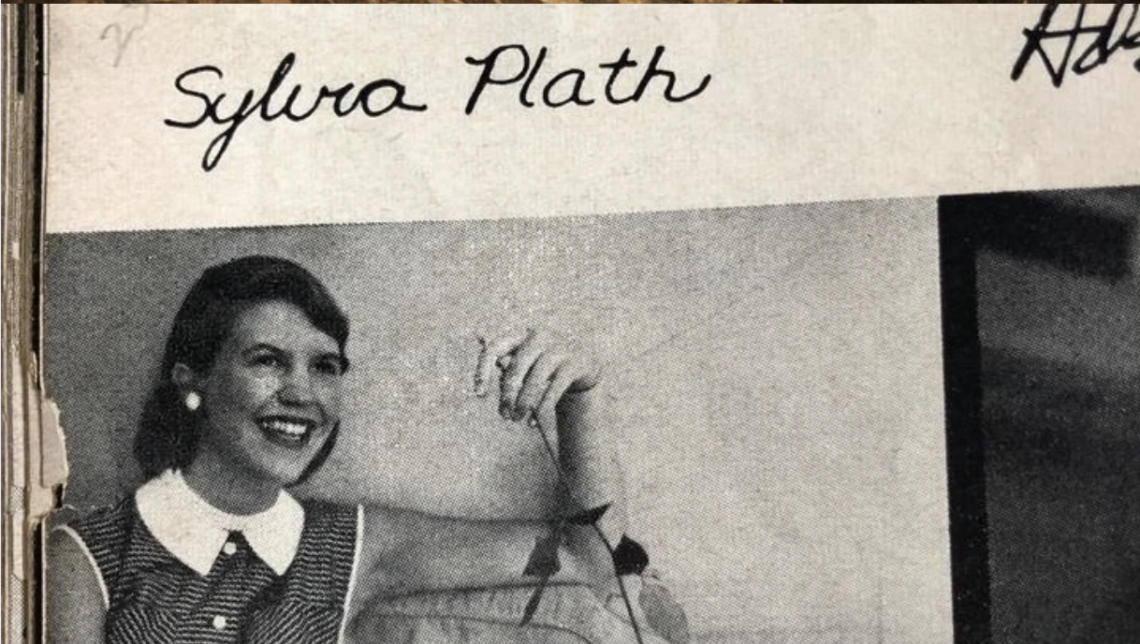
The words of Sylvia Plath have always felt intimate.
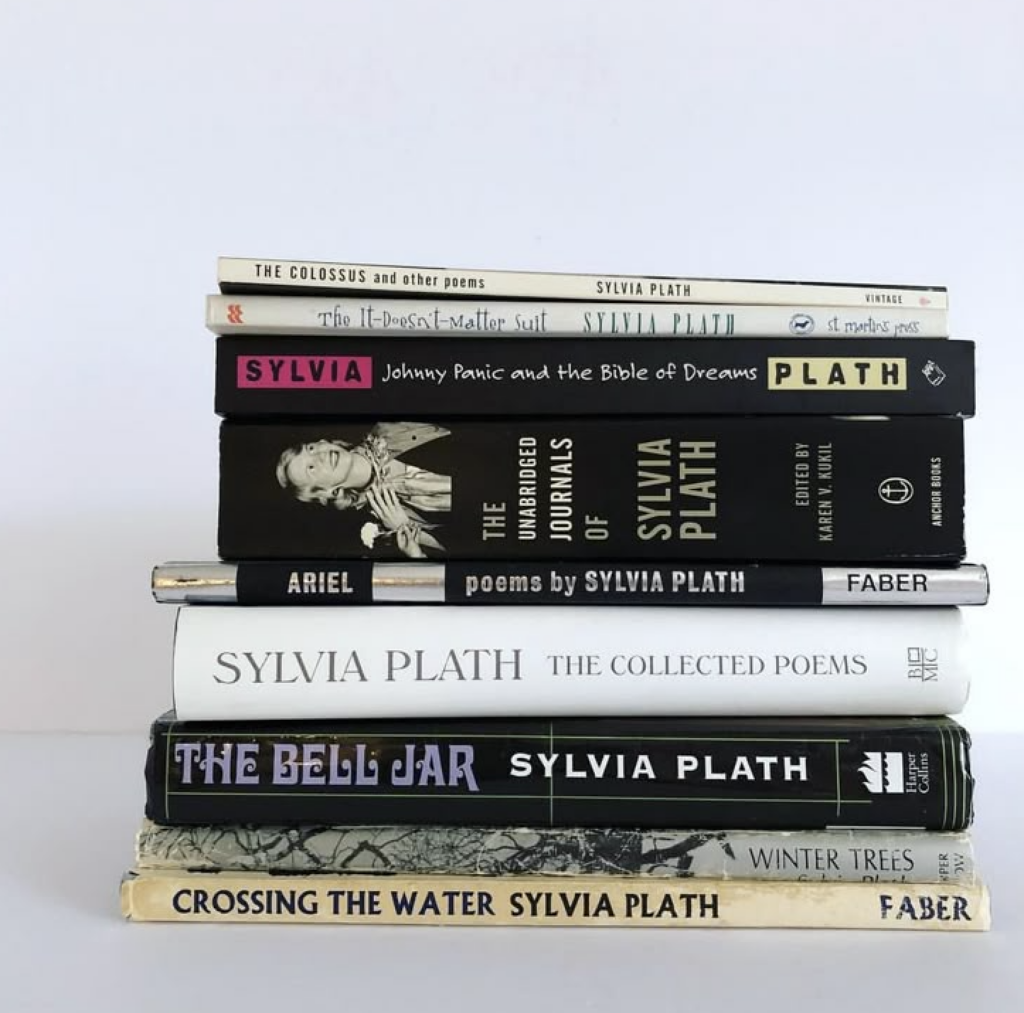
A deeply profound testimony to a version of herself that did not have the opportunity to fully live life to the fullest. Reading The Bell Jar is something I have always described as experiencing a piece of art rather than something to simply enjoy or glamorise. Plath is a poet after all, having produced many poems as a means of catharsis, these pieces were later formed together into a collections titled Collusus and Ariel.
In all honesty, it took me a lot longer to read than, say, another fiction piece that was only 100 pages long. I had to pause at moments, close the pages, and let it sit on my bedside table until I felt able to return to it.
There was a sense of dread in reading a character’s stream of consciousness that felt all too real – a very thin line between the construct of a character and the author’s reality.
I think it is important to note that although many people read Plath’s work as a semi-autobiographical text, I don’t think it should necessarily be read only in that context. Sure, writers are influenced by their own personal experiences, feelings, and thoughts, but The Bell Jar stands as something more complicated than simply “Plath’s deteriorating mental state.”
I know many people who don’t necessarily like Plath’s work, which is understandable. Readers have different preferences and may gravitate toward a genre or style that another reader would never even consider opening. My approach to Plath has always been one of neutrality – not disregarding the authorial context, but simply reading the text as the text.
The Bell Jar contains many beautiful metaphors, sentences, and moments of dialogue that resonate with readers, yet the fig tree remains the most recognisable of them all.
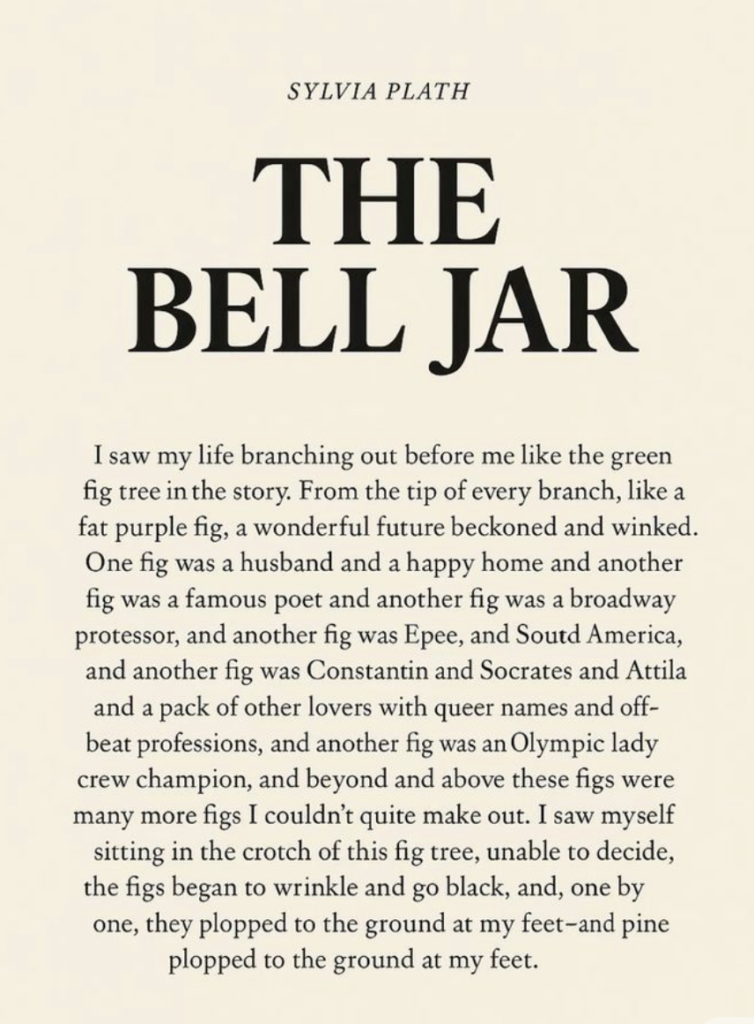
Plath’s fig tree is simple in its meaning: our inability to make decisions due to our incapability to choose one. It speaks to those who are indecisive and struggle to make the right decision with a fear that one may not live up to the expectation. The Bell Jar follows the protagonist, Ester and her fall into a serve depressive episode, exploring themes of mental health alongside the harsh realities of institutionalisation. However, the novel also highlights moments of witty conversation, the pursuit of an artistic identity, battling the societal limitations on women.
However, The Bell Jar is also used in pop culture as a prop in many different TV shows, making appearances in Gilmore Girls and The Simpsons. The novel becomes a symbol of intellectualism, feelings of isolation, and teenage rebellious angst.

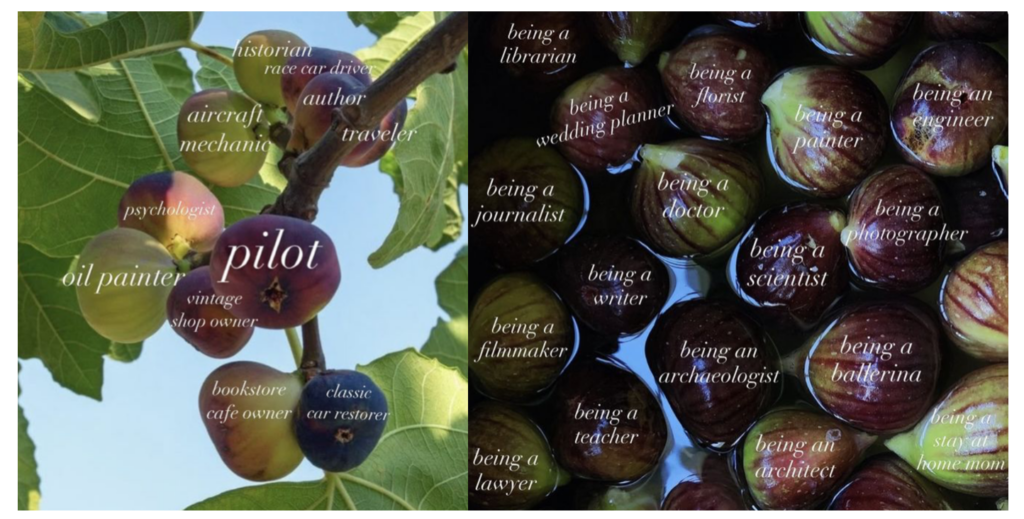
A trend surfaced on the social media platform TikTok at the end of 2025 that triggered a renewed interest in Plath’s fig tree analogy. Users took photographs of figs, labelling each with a different aspiration or career they might want to pursue. The images highlight a universal anxiety: the desire to live life to the fullest while hoping we are making the “right” decision.
The cliché question, “What would you do if money didn’t exist?”, parallels what Virginia Woolf writes in her essay A Room of One’s Own. When Plath’s paralysis of choice is considered alongside Woolf’s argument that women historically lacked the freedom to act on their ambitions, readers are pushed to reflect on the position of women in the present day. It becomes less of a ‘trend’ and rather a question of whether this still remains the reality.
The fig tree analogy was hung on my wall at university as a reminder to live out as many possibilities as I could, taking each opportunity that arose so that I would not be left with a sense of regret or disappointment. Of course, not everything turns out the way you want it to, and failure is inevitable in many ways. But when sitting at the “crotch of this fig tree,” I knew that the only way I would ever make the right decision was to try as many paths as possible in search of it.
If you are interested in learning more about Plath, have a watch of the TED-ED video Why should you read Sylvia Plath?

