
Romance without Ethics in an Age of Digital Subjectivity.
That title alone immediately caught my attention. After attending Mary Harrod’s talk on Romance without Ethics in an Age of Digital Subjectivity, I found myself thinking a lot about what “modern love” actually means today, or what we even recognise as love anymore.
Dr Harrod, a Professor of French and Screen Studies at the University of Warwick, explores how romance is presented in contemporary film and television, particularly in the streaming era. What stood out to me most was her idea that the line between promise and danger in intimate relationships is becoming increasingly blurred -sometimes almost invisible.
And honestly, that feels very true.
Modern romance is complicated. It’s shaped by new language, new expectations, and new ways of connecting that can sometimes feel unfamiliar or even uncomfortable. A lot of contemporary fiction seems fixated on relationships defined by control, coercion, or emotional instability- what Harrod describes as dynamics “characterised by control, coercion and abuse.”
The more we see these patterns, the more normal they start to feel.
There’s something unsettling about that. Toxicity in relationships is no longer shocking- it’s familiar. And because it’s familiar, it often becomes embedded in how we imagine romance itself: intense, chaotic, even destructive, rather than supportive or genuinely fulfilling.
So what does this actually look like in the books we read? And more importantly, are we becoming more comfortable with destructive versions of love?
When I think about current romance trends (especially the books that dominate shelves or gain traction on social media) so many of them explore themes like emotional manipulation, power imbalance, or even domestic abuse. And it’s complicated, because these are important topics. Representing them can open up conversations and challenge taboos.
But I think the issue isn’t what is being represented- it’s how.
How these stories are framed. How they’re marketed. How they’re consumed.
I’ve read a wide range of novels that explore different kinds of relationships: from the classic dynamic of Elizabeth Bennet and Mr Darcy, to parasocial relationships, age-gap romances, same-sex love stories, young adult fiction, and narratives centred on toxic or abusive dynamics. What makes them compelling is not just the relationship itself, but how it evolves- how it breaks down, rebuilds, or reshapes the people within it.
At the heart of it, it’s always about connection. About watching characters change, and recognising something of ourselves in that process.
With that in mind, I’ve put together a few of my own “romance” recommendations. They don’t all fit neatly into the same category, but each one captures something meaningful about love in its own way.
Sitting on the floor and talking for hours kinda love.
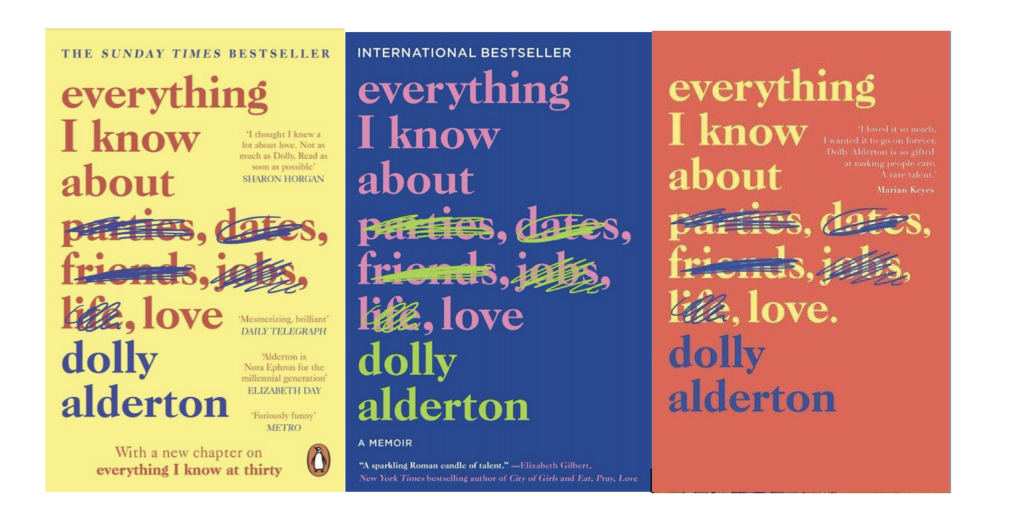
Everything I know about love by Dolly Alderton
Dolly Alderton is a fan favourite. It is not surprising that so many people love Alderton’s Everything I know about Love, with her distinctive, personal and openly confessional voice. As we move into spring and start looking ahead to summer, this is always a book I find myself thinking about.
Alderton’s memoir follows her journey of finding love for herself, in romantic relationships, but most importantly relationships that she has with her female friends. That indescriable girlhood connection that is felt so deeply made this work that much more touching.
Through heartbreak, mistakes, and growing pains, the book reminds us that love isn’t just romantic, it’s everywhere. And, more often than not, it’s the friendships that carry us through it all.
***
It’s a little complicated…
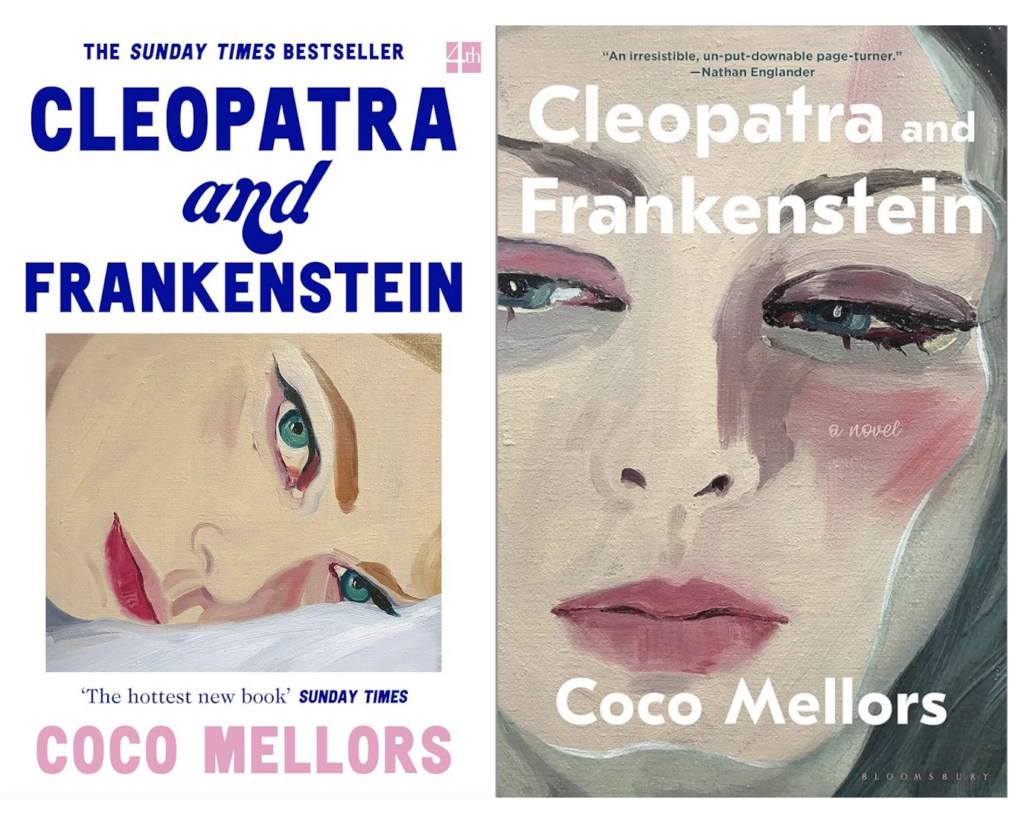
Cleopatra and Frankenstein by Coco Mellors
When Coco Mellors announced the release of her debut novel Blue Sisters back in November of 2022, I was so excited to get my hands on a copy. I really enjoyed her first novel Cleopatra and Frankenstein, with it being my first introduction to age gap relationship presentations.
It’s not an easy read at times, but that’s what makes it so impactful. Mellors doesn’t romanticise the relationship- she lets it be messy, uncomfortable, and, at points, destructive.
For me, this was one of the first books that really opened my eyes to how modern fiction portrays unhealthy relationships, not just in romance, but within family and identity too. It’s a difficult but worthwhile read, and one that stays with you long after you’ve finished it.
***
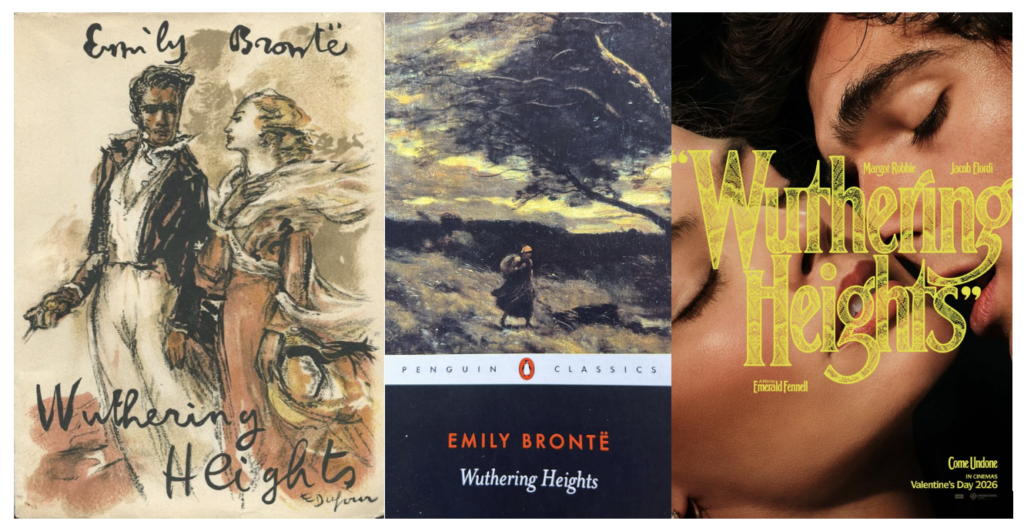
Wuthering Heights by Emily Bronte
Let me just preface, the novel is nothing like the 2026 Emerald Fennell adaptation.
he novel is so cleverly constructed through numerous perspectives and character voices that adds depth to the narrative and interconnected relationships between characters.
At its core is the relationship between Catherine and Heathcliff, which continues to divide readers. Is it passionate? Toxic? Obsessive? Probably all three.
Bronte’s novel has no sexual references, but rather it’s characters are stimulated through good old fashion intellect. I think it is important to recognise how the novel still stands strong with its effect on modern readers and their divided oppinions towards the infamous Heathcliff and Catherine relationship.
And for me, Chapter Nine of Part One will always stand out with some of the most unforgetable quotes:
“Whatever our souls are made of, his and mine are the same; and Linton’s is as different as a moonbeam from lightning, or frost from fire.”
“My love for Linton is like the foliage in the woods: time will change it, I’m well aware, as winter changes the trees. My love for Heathcliff resembles the eternal rocks beneath: a source of little visible delight, but necessary.”
“It would degrade me to marry Heathcliff now; so he shall never know how I love him.”

